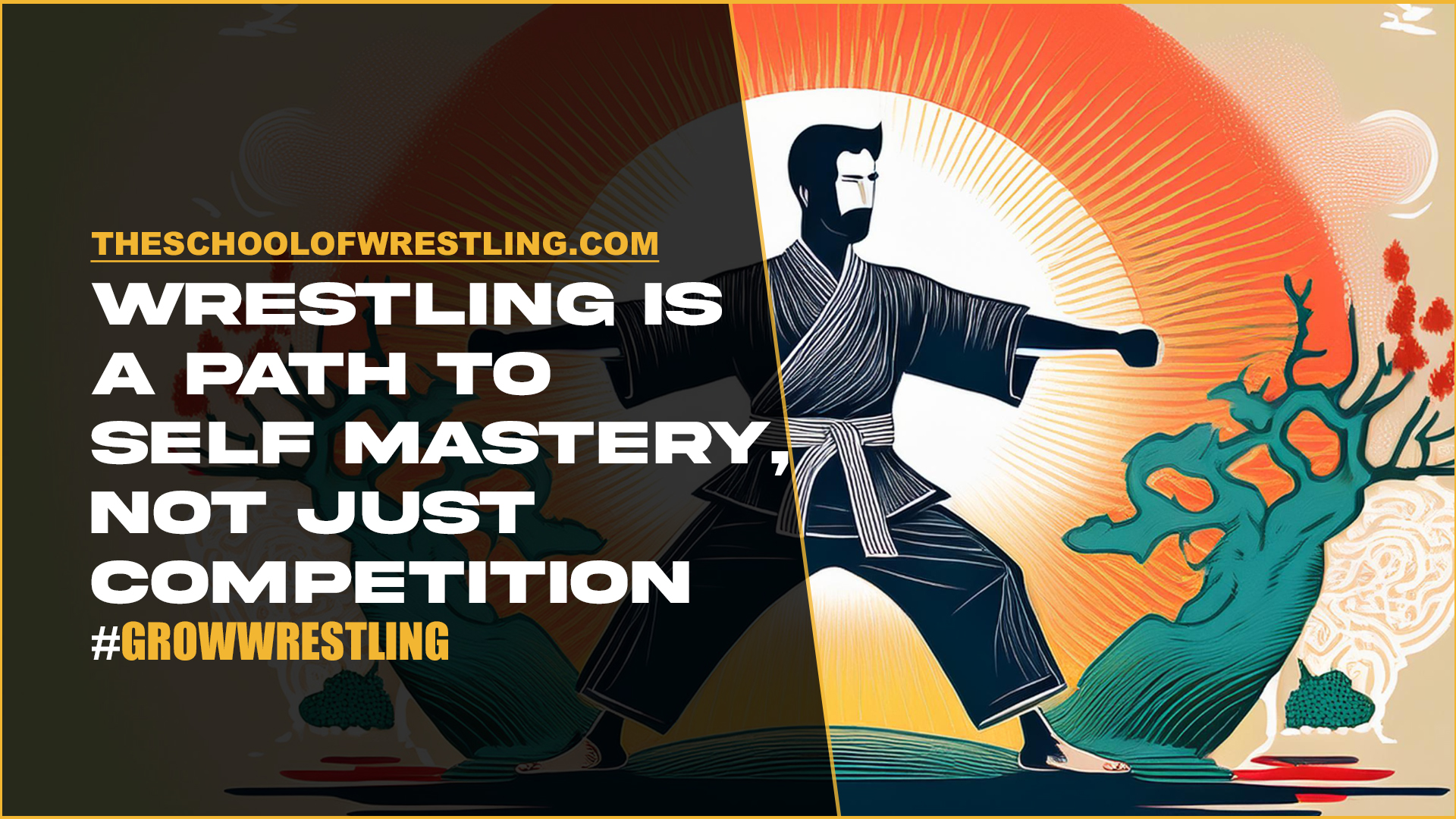

By a coach who believes wrestling is a martial art first, a competition second.
Why this matters
When your family steps into wrestling, you don’t just join a sport—you join a community. “Wrestling moms” and “wrestling dads” form carpool groups, share hotel lobbies, swap snacks in bleachers, and text each other about weigh-ins and brackets. Those relationships can lift your child—or unintentionally add pressure. This guide helps you build a healthy personal philosophy, align your priorities, and use both logic and intuition to support skill development, goal setting, and motivation.
Build your personal philosophy (before the season heats up)
Write a short statement (3–5 sentences) you can actually use when emotions run high.
Consider these examples:
- Primary purpose. “Our family is here to learn a martial art, grow character, and enjoy the process.”
- Competition perspective. “Tournaments are tests, not verdicts. Competition is a game; practice is the craft.”
- Parent role. “We provide logistics, love, and perspective—not technical instructions.”
- Well-being guardrails. “If health, school, or family relationships suffer, we adjust.”
Keep this on your phone. Read it in the parking lot before every event.
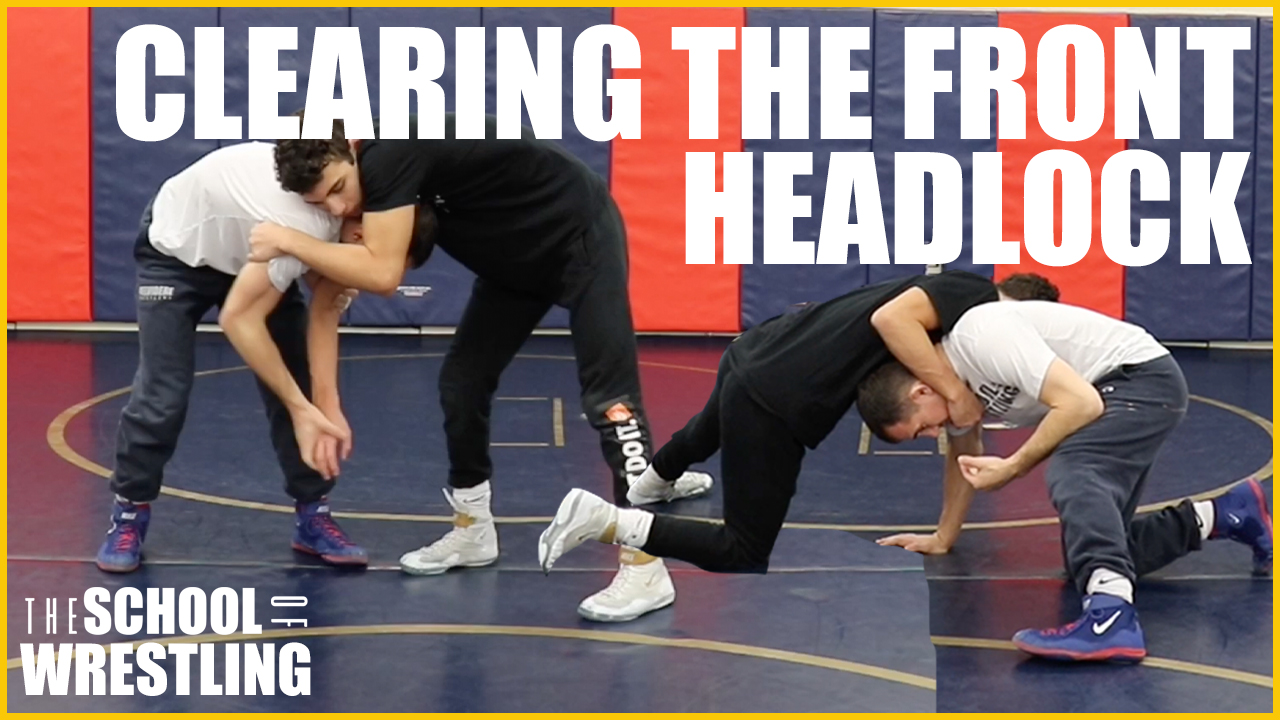
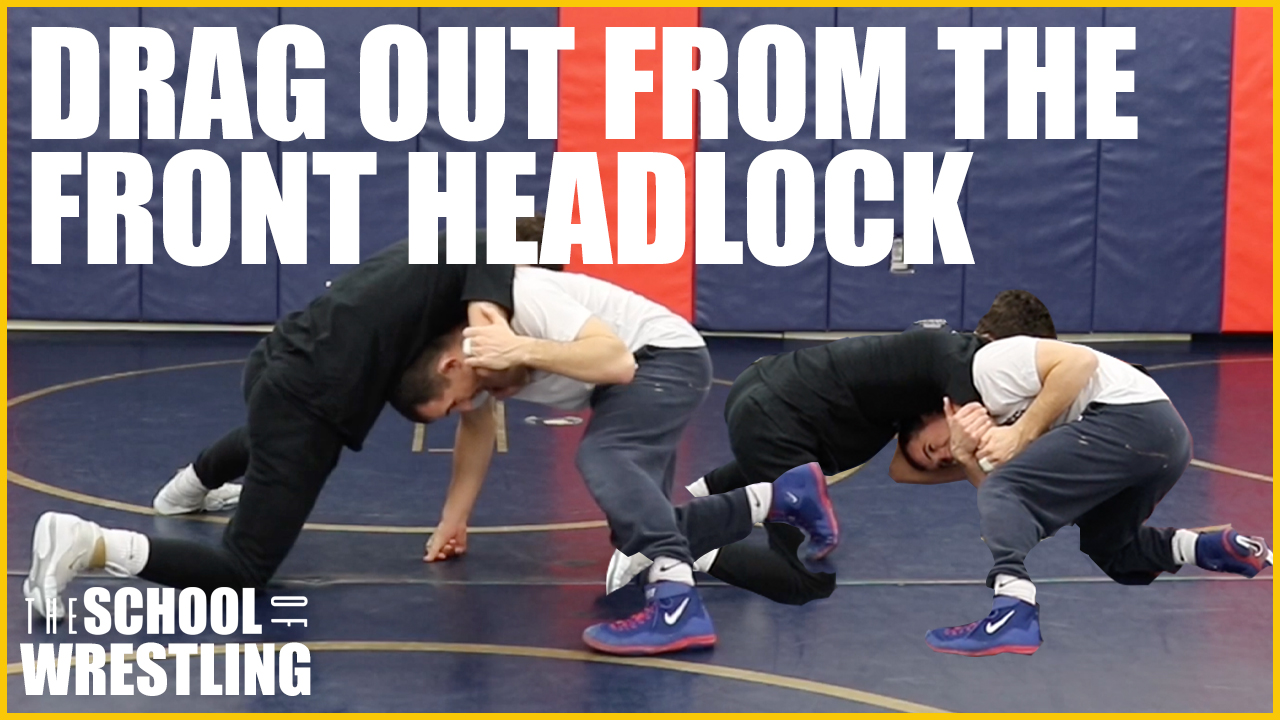
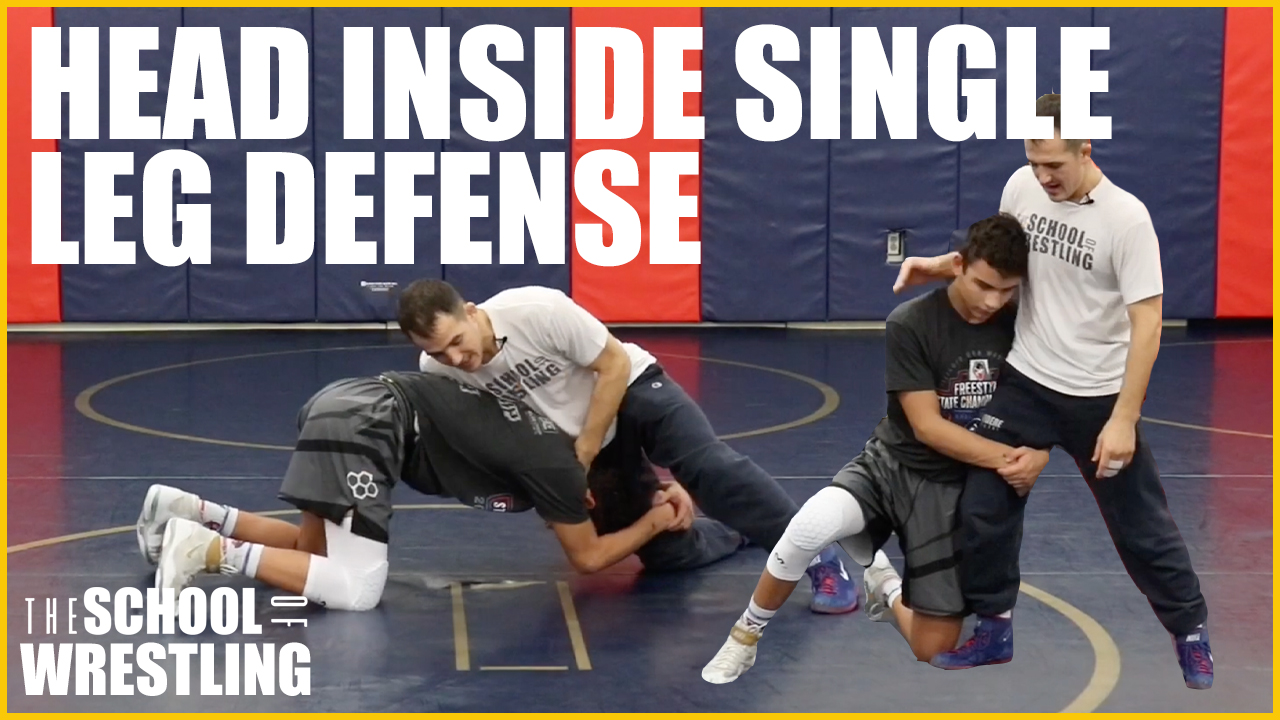
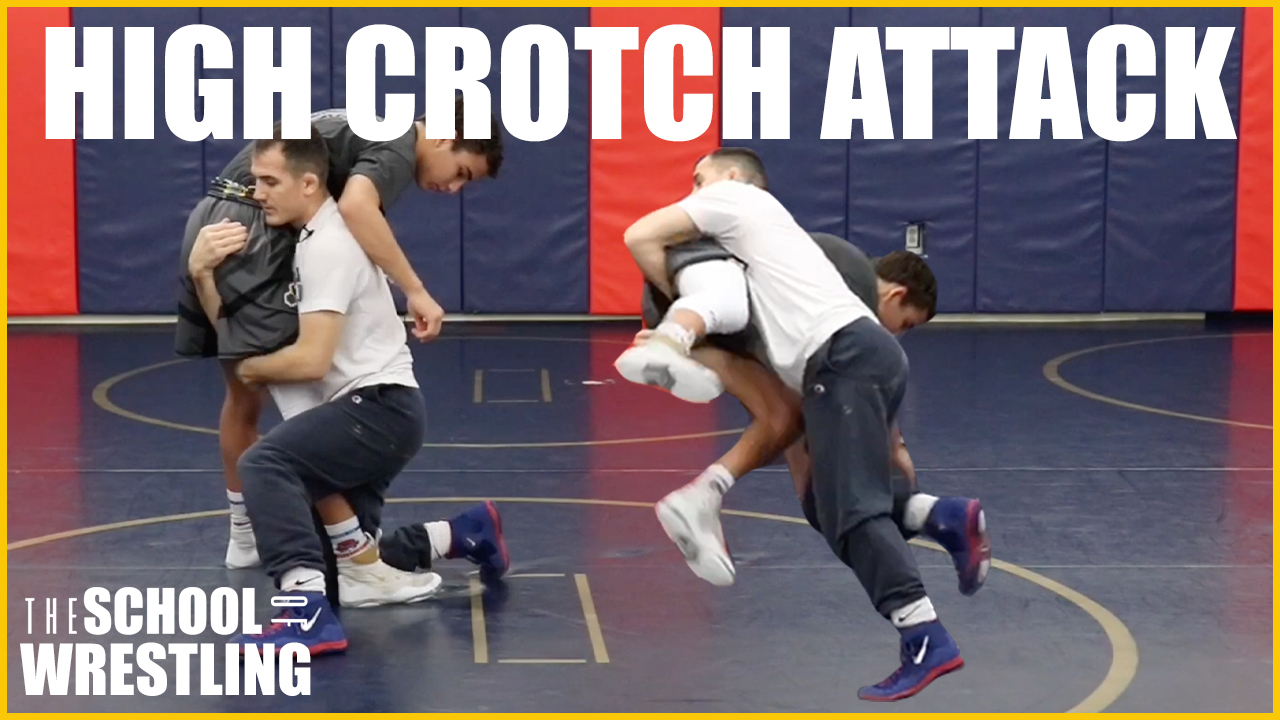
Wrestling is a martial art (competition is a game)
At its core, wrestling trains the body and the mind. That training—done with care and repetition—is valuable even if your child never stands atop a podium. The tournament is a scorekeeping mechanism for skills practiced in the room. Treat the game with respect, but give mastery the spotlight.
Mantras to model and share with your athlete
- “Do the right thing, the right way, at the right time.”
- “Effort and attitude are always in our control.”
- “Today’s test shows where to train next.”
The social fabric: make it work for your family
The community is a powerful force. Use it intentionally.
Do
- Build friendships with parents who value long-term growth (not just weekend results).
- Share rides, split hotel costs, and create calm routines together.
Don’t
- Tie your family’s identity to win–loss records.
- Gossip about other athletes, weights, or “who should be starting.”
- Let social media comments or rankings set your child’s self-worth.
Boundaries that help
- “We don’t discuss other families’ choices.”
- “We don’t compare kids.”
- “We talk to coaches directly, not about them.”
Logic + intuition: the engine of development
Wrestling mastery requires both logical planning and intuitive feel.
Logic: how to get good at anything
- Intention: Train with a purpose every practice.
- Reps with feedback: Quality, not just quantity. Seek corrections. Film key reps. Re-do until it’s smooth under pressure.
- Progression: Isolate → combine → live. Drill parts, link sequences, then test in controlled goes.
- Recovery: Sleep, nutrition, mobility, and mental downshifting are non-negotiable.
Intuition: feel and flow
- Let the athlete co-create adjustments. Ownership fuels buy-in.
Goal setting: ambitious, specific, owned by the athlete
Ambition should spark maximum effort—without becoming a threat to self-worth.
Three-tier goal map
- Identity goal (North Star): “I’m a relentless, disciplined wrestler who wrestles to score.”
- Performance goals (season-scale): “Average 2+ takedowns per match,” “Finish top 6 at conference,” “Earn starting spot by January.”
- Process goals (weekly): “100 clean finishes after practice M/W,” “Film review 15 min Tue/Thu,” “Hydration plan executed daily.”
Rules that keep goals healthy
- Goals are written, visible, and athlete-owned.
- Every goal has a metric and a review date.
- Missed goals trigger adjustments, not shame.
Prompt that unlocks effort:
“What would be so exciting you’d jump out of bed to train for it?” Then reverse-engineer the plan.
Motivation: light the fire, don’t carry the torch
Your job isn’t to constantly pump them up; it’s to create conditions where motivation grows.
What reliably drives maximum effort
- Clarity: One focus per week (“Finish from single leg on left side”).
- Agency: Athlete chooses drills or the weekly emphasis 20–30% of the time.
- Competence loops: Frequent, visible progress (charts, checklists, short clips).
- Belonging: A room where effort is noticed and praised.
Parent scripts
- Before practice: “What’s today’s one focus?”
- After practice: “Where did you get 1% better?”
- After matches: “What did you learn for Monday?”
Meet-day blueprint (for parents)
Before
- Keep logistics boring: on-time, fed, hydrated, rested.
- Say: “Have fun testing your work.”
- Don’t introduce new technical advice.
During
- Stay calm. Cheer for actions: level change, hand-fight wins, chain wrestling.
- Avoid corner coaching from the stands.
After
- First line: “I love watching you wrestle.”
For the social circle: be the family others are glad to sit by
- Compliment other athletes’ effort.
- Step in kindly if conversation turns toxic.
- Share rides, snacks, and encouragement, never rumors.
Wrestling will shape your child’s body, mind, and character—and your family culture, too.
Lead with a clear philosophy, pair logic with intuition, set goals that stretch and inspire, and choose a social circle that lifts everyone. The medals come and go; the person your child becomes is the real prize.